

Introduction
A well-planned garden transforms raw land into a productive, aesthetic space that boosts property value by up to 20 percent, according to landscape architects. Homeowners often overlook how landscape design integrates horticulture principles to create enduring outdoor environments. This guide covers landscape design fundamentals, practical gardening techniques, vegetable gardening strategies, essential garden plants, targeted garden advice, and methods for landscaping property effectively. Readers gain actionable steps to assess their site, select plants suited to local conditions, and maintain gardens that yield vegetables while enhancing curb appeal. Whether starting from scratch or revitalizing an existing yard, these insights draw from established horticulture practices to minimize common errors like poor soil preparation or mismatched plant choices. Expect detailed breakdowns on planning layouts, nurturing garden plants, and applying garden advice for seasonal success. Site improvement techniques address drainage, hardscaping, and vertical elements that expand usable space. Professionals and enthusiasts alike find value in these structured approaches, which prioritize sustainability and low-maintenance outcomes. By the end, readers possess a blueprint for a thriving garden that aligns with their lifestyle and climate.
Fundamentals of Landscape Design
Landscape design forms the backbone of any garden project, dictating flow, functionality, and visual harmony. It begins with site analysis to map topography, sun exposure, and soil types.
Site Assessment Techniques
Measure slopes and test soil pH to identify drainage issues. Mark wind patterns and shade zones with stakes. These steps prevent waterlogging in low areas common to clay-heavy soils.
Creating Functional Layouts
Divide spaces into zones: play areas, vegetable patches, and seating nooks. Use curves for soft transitions between lawn and borders. This zoning optimizes movement and reduces maintenance paths.
Hardscape Integration
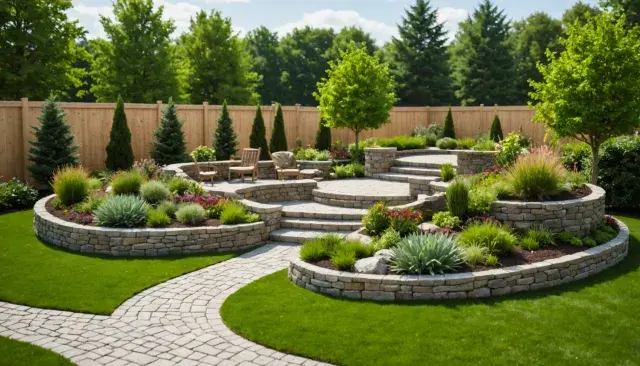
Incorporate paths from gravel or permeable pavers to direct foot traffic. Add retaining walls for sloped sites, ensuring they support soil without cracking under frost heave.
- Patios expand living areas.
- Fences define boundaries discreetly.
- Trellises support climbers.
Principles of Gardening and Horticulture
Gardening merges art and science through horticulture, focusing on plant health and ecosystem balance. Success hinges on understanding growth cycles and environmental needs.
Soil Preparation Basics
Aerate compacted earth and amend with compost to improve structure. Aim for loamy texture that retains moisture yet drains freely. Test for nutrients annually to guide fertilizers.
Watering and Irrigation Strategies
Deliver deep, infrequent waterings to encourage root depth. Install drip systems for efficiency, targeting roots over foliage to curb fungal diseases.
Pest Management in Horticulture
Introduce beneficial insects like ladybugs for aphid control. Rotate crops and use row covers to block invaders without chemicals.
- Neem oil deters beetles.
- Hand-picking removes slugs at dusk.
- Companion planting repels pests naturally.
Vegetable Gardening Essentials
Vegetable gardening delivers fresh produce while teaching horticulture hands-on. Select varieties bred for your region to maximize yields.
Choosing High-Yield Varieties
Opt for compact tomatoes like cherry types for small plots. Bush beans mature quickly in succession plantings. Zucchini sprawls productively in sunny spots.
Seasonal Planting Schedules
Sow cool-season crops such as lettuce in early spring. Transition to heat-tolerant peppers post-frost. Extend harvests with fall plantings of kale.
Harvesting and Storage Tips
Pick vegetables at peak ripeness to encourage reblooming. Store roots in cool, humid cellars. Blanch greens before freezing for year-round use.
Selecting and Caring for Garden Plants
Garden plants anchor landscape design, providing color, texture, and wildlife habitat. Match species to your hardiness zone for longevity.
Perennials for Structure
Daylilies offer reliable blooms with minimal care. Hostas thrive in shade, filling understory gaps. Divide clumps every three years to refresh vigor.
Annuals for Seasonal Color
Marigolds deter nematodes while adding yellow pops. Petunias cascade from baskets. Deadhead spent flowers to prolong displays.
Shrubs and Trees for Landscaping Property
Evergreens like boxwood provide year-round screening. Fruit trees such as apples integrate edibles into ornamentals. Prune in dormant season to shape without stress.
- Check mature sizes before planting.
- Mulch bases to suppress weeds.
- Stake young trees against wind.
Gardening Tips and Garden Advice
Garden advice distills years of trial into concise practices. Apply these to elevate gardening from hobby to mastery.
Tool Maintenance Routines
Sharpen blades seasonally and oil metal parts. Store in dry sheds to prevent rust. Clean pots before reuse to avoid pathogen carryover.
Seasonal Maintenance Calendar
Spring: prune and fertilize. Summer: mulch and weed. Fall: plant bulbs and rake leaves. Winter: inspect for damage.
Common Mistakes to Avoid
Overwatering drowns roots; under-mulching invites competition. Planting too densely stifles air flow, breeding mildew.
Site Improvement Strategies
Site improvement refines landscaping property for usability and appeal. Address practical needs alongside beauty.
Drainage Solutions
Install French drains along foundations. Grade soil away from structures at a two percent slope. Swales channel runoff naturally.
Vertical and Space-Saving Elements
Erect arbors for climbing beans. Use raised beds for poor soil. Pocket gardens fit urban lots.
Sustainable Enhancements
Harvest rainwater in barrels. Plant natives to cut watering needs. Compost on-site to recycle waste.
- Rain gardens filter pollutants.
- Pollinator strips boost biodiversity.
- Solar lights reduce wiring.
Frequently Asked Questions
How do I start landscape design on a sloped property?
Terrace the slope with retaining walls or steps to create level planting beds. Plant deep-rooted shrubs like forsythia to stabilize soil. Consult local codes for wall heights exceeding three feet.
What garden plants work best for beginners in gardening?
Choose forgiving options like black-eyed Susans, which self-seed, or strawberries that spread readily. These tolerate variable conditions and provide quick rewards through flowers or fruit.
Can vegetable gardening succeed in shaded areas?
Focus on shade-tolerant crops such as spinach, beets, and lettuce. Use reflective mulch to bounce light onto leaves. Avoid fruiting plants like tomatoes that demand full sun.
How often should I fertilize during horticulture maintenance?
Apply balanced fertilizer at planting, then monthly during active growth. Switch to low-nitrogen formulas in fall to harden plants against winter. Soil tests dictate precise needs.
What is the best garden advice for improving poor soil?
Incorporate aged manure or leaf mold annually to build organic matter. Avoid tilling wet soil, which compacts it further. Worms naturally aerate amended beds over time.
How does landscaping property increase home value?
Curb appeal from manicured lawns and defined beds draws buyers. Functional outdoor rooms like patios add square footage. Appraisers note mature trees contribute thousands in perceived worth.


